
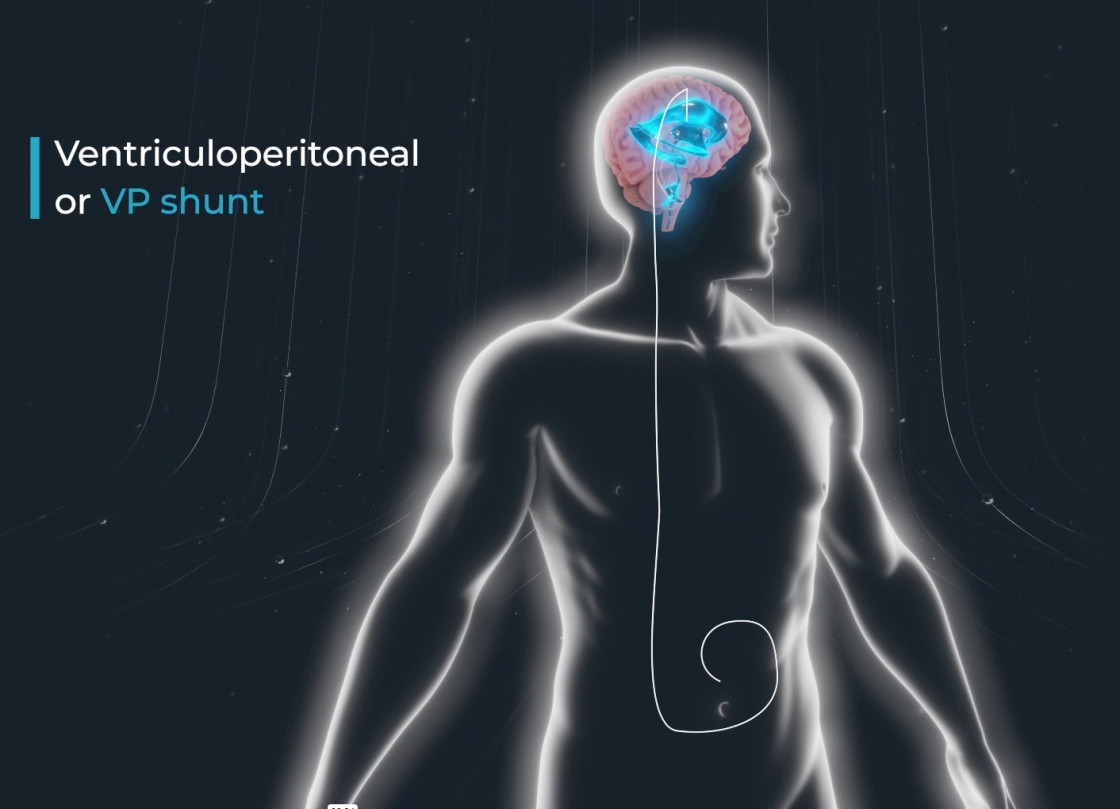
What is a VP Shunt?
A VP (ventriculoperitoneal) Shunt is a surgically placed medical device that drains excess cerebrospinal fluid (CSF) from the brain to the abdomen. It lowers intracranial pressure by diverting fluid through a catheter and one-way valve, reducing risks of brain damage from fluid buildup.
A VP Shunt Malfunction is a Medical Emergency!
 A VP Shunt Malfunction is a Medical Emergency!
Common Causes of VP Shunt Malfunction:
- Shunt blockage
- Infection
- Over-drainage or under-drainage
- Tubing disconnection
- Shunt displacement
Signs & Symptoms of VP Shunt Malfunction
(Symptoms may develop suddenly or gradually)
General Warning Signs
- Headache
- Nausea/Vomiting
- Lethargy
- Vision Changes
- Irritability
- Fever & Redness
In Infants & Children
- Bulging fontanelle
- Enlarged head
- High-pitched cry
In Adults
- Balance problems
- Memory issues
- Slurred speech
What Caregivers SHOULD NOT Do
- Do NOT press the shunt
- Do NOT delay care
- Do NOT adjust the shunt
- Do NOT ignore fever
When to CALL 911 or GO TO the ER
- Severe Headache
- Repeated Vomiting
- Decreased Consciousness
- Seizures
- Breathing Difficulty
- Rapid Decline
Documentation & Reporting
- Record all symptoms
- Note time started
- Report & follow up
VP Shunt malfunctions become life-threatening quickly.
Early recognition and rapid response saves lives.
Click here to download our flyer for your immediate use in sharing or posting!
